

Autism spectrum disorder (ASD) is a complex developmental condition involving persistent challenges with social communication, restricted interests and repetitive behavior.
Common symptoms of Autism Spectrum Disorder:
- Poor eye contact
- Delayed speech
- Not responding to name
- Delayed development
- Repetitive behavior
- Restlessness and violence behavior – low sitting tolerance
- Sensory issues – sensitive to lights, noises, texture
- Strict adherence to routine And many more
Homeopathic assessment and treatment:
It becomes extremely important to understand the Mother’s History During Pregnancy, in cases of Autism or any other disease in small children in order to prescribe the medicines.
When I say Mother’s History During Pregnancy, it includes multiple factors to evaluate, as stated below.
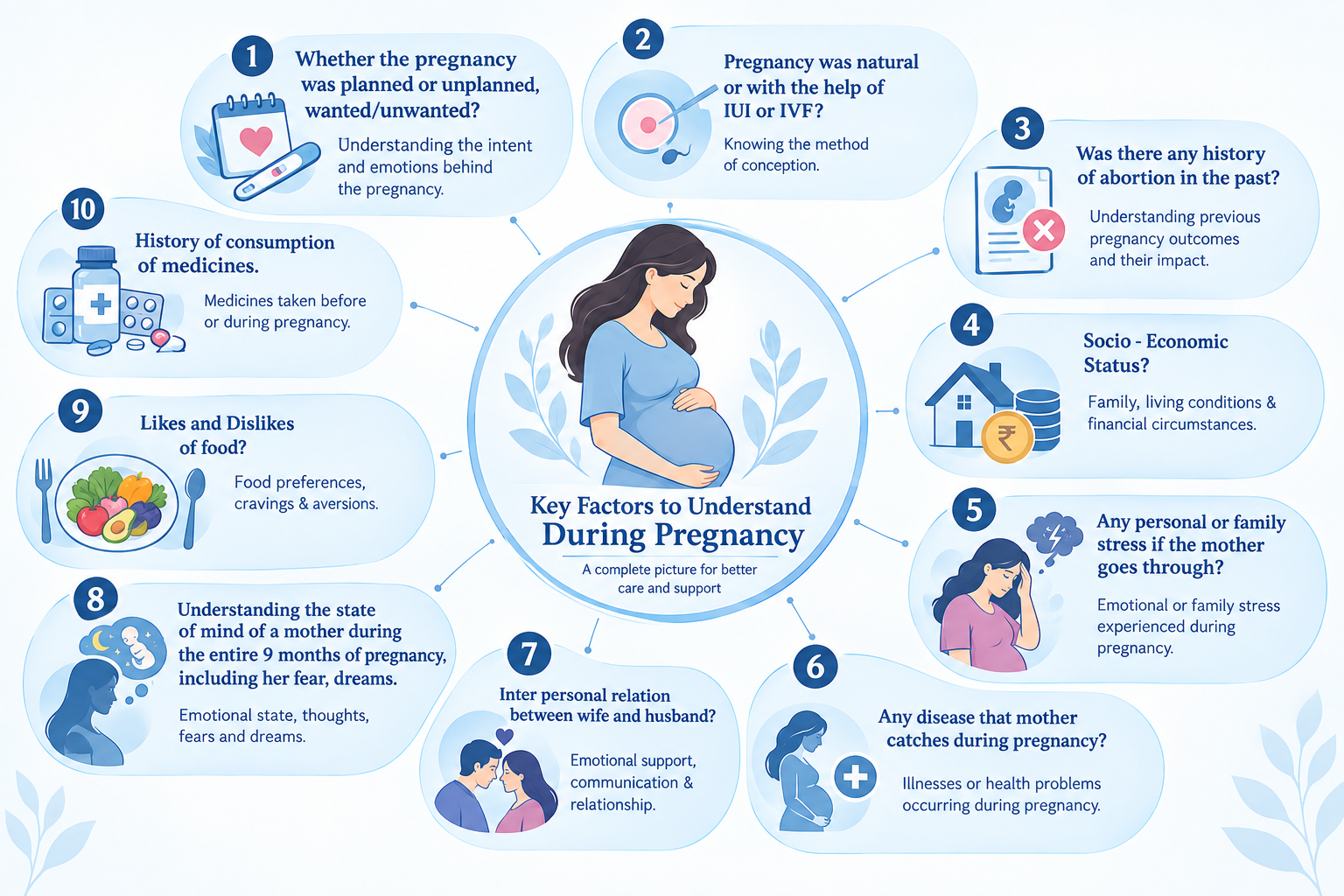
- Whether the pregnancy was planned or unplanned, wanted/unwanted?
- Pregnancy was natural or with the help of IUI or IVF ?
- Was there any history of abortion in the past ?
- Socio – Economic Status ?
- Any personal or family stress if the mother goes through ?
- Any disease that mother catches during pregnancy ?
- Inter personal relation between wife and husband ?
- Understanding the state of mind of a mother during the entire 9 months of pregnancy, including her fear, dreams. ?
- Likes and Dislikes of food ?
- History of consumption of medicines. ?
Certain factors which are important to take note of.
- How was the delivery ? Were there any complications during pregnancy ?
- For the initial 6 months, the child was given only mother’s milk or power milk was also given ?
When a homeopathic remedy is selected after carefully understanding the mother’s history during pregnancy, the child’s presenting concerns and challenges, temperament and individual characteristics—including fears, sensitivities, dreams, likes and dislikes, sleep patterns, food cravings and aversions—as well as past history, family history, and the environment in which the child has grown up after birth, a more individualised understanding of the child may be developed. When such individualised care is provided alongside appropriate autism-focused therapies and developmental interventions, some children may show gradual changes in areas such as restlessness, behavioural difficulties, attention, concentration, understanding and communication.
Over time, and with continued therapeutic and developmental support, some children may progress from using individual words to phrases or sentences, or from primarily need-based communication towards more spontaneous communication. The nature and extent of progress can vary considerably from one child to another. The aim is to provide comprehensive, individualised support and to encourage progress in communication, behaviour, learning, participation, and everyday functioning.
